“Grade 2” search results (3000)
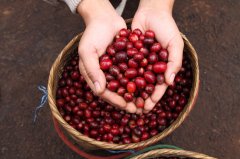
Classification and causes of defective beans in Fine Coffee SCAA
The growth environment of boutique coffee beans also has higher requirements. Generally grow at an altitude of 1500 meters or even more than 2000 meters above sea level, with appropriate precipitation, sunshine, temperature and soil conditions. Some world-famous coffee beans also have a special geographical environment, such as the alpine clouds in the Blue Mountains, the free shade provided by the afternoon clouds in Kona, and the volcanic ash soil in Antigua.
2016-05-31 Boutique coffee SCAA defects classification reasons
Citrus-flavored Yejassefi Coffee Manor: an introduction to the flavor and taste of Cochel Manor
The grading system of Ethiopian coffee is not based on the number of items, but on the proportion of defective beans in raw beans. In October 2009, Ethiopia launched the ECX boutique coffee trading grading system. Through the evaluation of raw beans, Q-Grader made the following grades: washed Yega Xuefei is divided into two grades: Grade 1 and Grade 2, sun Yega Xuefei is divided into Grade 1,
2016-08-09 Citrus Flavor Yega Sheffield Coffee Manor producing area Taste characteristics introduction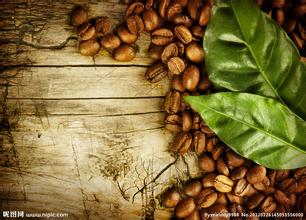
Species Morphology and Variety Grade History of Colombian Coffee
The main varieties of Colombian coffee are small grains of coffee. Plants are small trees or large shrubs, 5-8 m tall, usually much branched at base; old branches gray-white, nodes dilated, young branches glabrous, compressed. Leaves thinly leathery, ovate-lanceolate or lanceolate, 6-14 cm long and 3.5-5 cm wide, tip long acuminate, acuminate part 10-15 mm long, base cuneate or slightly obtuse, rarely rounded, entire or
2016-05-29 Columbia Coffee species Morphology Variety Grade History Colombia
Quality of Colombian coffee grade producing area
The history of coffee cultivation in Colombia can be traced back to the Spanish colonial era in the 16th century, and there are many theories about the history of coffee in Colombia: one: it is said to come from the island of Haiti in the Caribbean and from El Salvador in Central America. Second: in 1808, a priest introduced coffee beans to Colombia for the first time from the French Antilles via Venezuela. One of them
2016-05-27 Colombia Coffee Grade Origin quality cultivation History
The grade of Ethiopian coffee in Ethiopian coffee producing areas
The grade of Ethiopian coffee: Ethiopian water washed coffee Yega Xuefei, the highest grade of Yirgacheffe and Sidamo may be level 2 or 3 (G2 or G3), and most sun-processed coffee in eastern Ethiopia is grade 4 or 5 (G4, G5). In many cases, level 4 coffee is marked as level 5 in order to reduce taxes. The current classification is not very uniform.
2016-05-29 Ethiopia coffee grade producing area
Sour balanced Brazilian coffee beans Features and stories Three grades of Brazilian coffee beans
Harvest year: 2012-The year is for roasters 'reference, so it is not usually indicated on the label of roasted coffee beans sold in the market. In order to reduce the purchase trouble and identification burden of consumers, coffee beans sold in the market generally do not make such complicated labels. Different small producing areas, different years of coffee bean flavor may have a lot of difference
2016-10-17 sour balanced brazilian coffee beans grading system three
Q-Grader examination experience and examination form Coffee examination Notes
There are 8 major items and 20 subjects in the Q-Grader examination. The first major item (4 subjects) was tested together in 2 subjects, with a time limit of 1 hour; the second major item (1 subject) was graded for 1 hour; the third major item (2 subjects) was graded for cooked beans; the fourth major item (1 subject) was limited to 1 hour for organic acid; the fifth item (3 subjects) was limited for 1 hour; and the sixth major item (3 subjects) was limited for 1 hour.
2015-09-07 Q-Grader exam experience form Coffee instructions
The grade of Ethiopian coffee
Grade of Ethiopian coffee: Ethiopian washed coffee Yega Chuefei G1 G2 Sidamo (Yirgacheffe, Sidamo) has the highest grades 2 and 3 (G2, G3), while sun-processed coffee in eastern Ethiopia is mostly grade 4 or 5 (G4, G5). In many cases, level 4 coffee is marked as level 5 in order to reduce taxes. At present, the classification is not uniform and there are
2016-06-02 Ethiopia coffee grade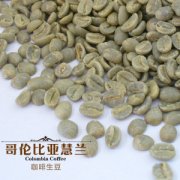
Colombian boutique coffee HUILA Huilan coffee beans
Colombian coffee Supremo grade HUILA Huilan coffee beans Colombian coffee Supremo grade HUILA Huilan producing area, specification: 17-18 mesh, grade: Supremo, origin: Colombia HUILA Huilan Huila Huila, process: washing. Features: 1, taste: bitter, moderate acidity, rich aroma; 2, the best baking degree: moderate; 3, blending method: single product
2014-09-18 Huilan coffee beans Colombian boutique coffee
Colombian coffee beans Huilan boutique coffee beans
Colombian coffee Supremo grade HUILA Huilan coffee beans Colombian coffee Supremo grade HUILA Huilan producing area, specification: 17-18 mesh, grade: Supremo, origin: Colombia HUILA Huilan Huila Huila, process: washing. Features: 1, taste: bitter, moderate acidity, rich aroma; 2, the best baking degree: moderate; 3, blending method: single product
2014-09-17 Colombian coffee beans Huilan boutique coffee beans
The grade of Ethiopian coffee
The highest grades of Ethiopian washed coffee Yega Chuefei G1 G2 Sidamo (Yirgacheffe, Sidamo) are Grade 2 and Grade 3 (G2, G3), while most of the sun-processed coffee in eastern Ethiopia are Grade 4 or Grade 5 (G4, G5). In many cases, level 4 coffee is marked as level 5 in order to reduce taxes. At present, the grading is not uniform and messy, because there is also sun processing.
2016-06-01 Ethiopia coffee grade
Quality and grading of Coffee in Yunnan
Yunnan coffee specific quality: raw coffee bean appearance requirements: the color should be light blue or light green, with luster, fresh smell, no sour and odor and other peculiar smell, round or oval.
2014-06-16 Coffee knowledge Yunnan coffee beans Chinese coffee
Yunnan Coffee beans Special Grade II Standard
The appearance and sensory characteristics project requires special secondary sensory aroma, flavor and taste. The appearance should be light blue or light green. Physical index item special second level (7.1mm) test method granularity / >, 90 DB53/T 154.6 broken beans / (%), 10 DB53/T 154.8 discolored beans / (%), 2.0 DB53/T 154.8 foreign bodies / (%), 0.1 DB53/T 154.
2014-07-02 Yunnan coffee beans Yunnan small coffee beans Yunnan secondary coffee beans
Ethiopian coffee grade washed coffee Yega Xuefei
The highest grades of Ethiopian washed coffee Yega Chuefei G1 G2 Sidamo (Yirgacheffe, Sidamo) are Grade 2 and Grade 3 (G2, G3), while most of the sun-processed coffee in eastern Ethiopia are Grade 4 or Grade 5 (G4, G5). In many cases, level 4 coffee is marked as level 5 in order to reduce taxes. At present, the grading is not uniform and messy, because there is also sun processing.
2016-05-31 Ethiopia Coffee Grade Water washing Yega Sheffield
Introduction to the grades of coffee trees in Ethiopia
Grade of Ethiopian coffee: Ethiopian washed coffee Yega Chuefei G1 G2 Sidamo (Yirgacheffe, Sidamo) has the highest grades 2 and 3 (G2, G3), while sun-processed coffee in eastern Ethiopia is mostly grade 4 or 5 (G4, G5). In many cases, level 4 coffee is marked as level 5 in order to reduce taxes. At present, the classification is not uniform and there are
2016-06-03 Ethiopia Coffee Grade introduction
Introduction to the grade of Ethiopian coffee
Grade of Ethiopian coffee: Ethiopian washed coffee Yega Chuefei G1 G2 Sidamo (Yirgacheffe, Sidamo) has the highest grades 2 and 3 (G2, G3), while sun-processed coffee in eastern Ethiopia is mostly grade 4 or 5 (G4, G5). In many cases, level 4 coffee is marked as level 5 in order to reduce taxes. At present, the classification is not uniform and there are
2016-06-20 Ethiopia coffee grade introduction
Analysis on the Design steps of salary system for Coffee Shop employees
Coffee shop employee compensation system design step analysis ①, job analysis, is a systematic process to determine the knowledge, skills and responsibilities that coffee shop employees need to complete various tasks; ②, job value evaluation, a, the purpose is to compare the relative importance of each position within the coffee shop and get the job grade sequence; to establish a unified job evaluation standard for external salary survey. B, there are many ways
2015-10-20 Coffee shop employee compensation system design steps analysis coffee shop salary
General knowledge of Fine Coffee Yunnan Coffee beans Special Grade II Standard
The project requires extra secondary sensory aroma, flavor and taste. The appearance should be light blue or light green. Physical index item Special second level (7.1mm) test method granularity / >, 90 DB53/T 154.6 broken beans / (%), 10 DB53/T 154.8 discolored beans / (%), 2.0 DB53/T 154.8 foreign bodies / (%), 0.1 DB53/T 154.8 chemical index items
2014-11-20 Coffee knowledge boutique coffee coffee common sense Yunnan coffee beans
Classification of coffee bean varieties how to grade coffee beans
Types of coffee beans 1. Arabica coffee (CoffeeArabica) (1) Arabica coffee has a varied and broad potential flavor. Arabica coffee produced in different regions, different elevations and different climatic areas usually has its own characteristics. It smells like grass when it is not roasted. After proper roasting, it shows fruit.
2016-05-31 Coffee beans variety classification grade how
Coffee Encyclopedia beans and grading of Ethiopian Coffee
The grading we are talking about now refers to the grading of raw beans in the country where coffee is produced. (no matter which country coffee beans are not graded) Ethiopian coffee beans are divided into five grades. The first and second stages are reserved for washing beans with water. Grade 1 represents 0-3 raw beans and Grade 2 represents 4-12 missing beans per 300g raw beans. Grade 1 (G1) grade water washed bean pole
2015-11-03 Coffee Encyclopedia Ethiopia Concord grading We now discussion